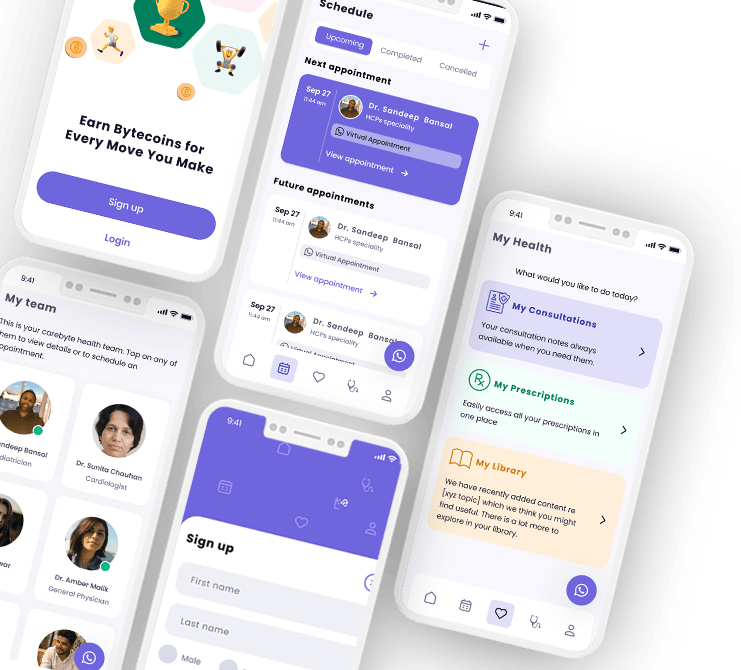
The healthcare industry is undergoing a digital transformation, and one of the key drivers of this change is the rise of mobile healthcare apps. These apps are revolutionizing how healthcare providers deliver care, how patients engage with their health, and how data is collected and managed. From real-time health monitoring to personalized wellness insights, emerging mobile healthcare app features are reshaping the healthcare ecosystem.
In this blog, we will explore the emerging healthcare app features that are redefining healthcare, compare healthcare app functionalities across the US, UK, UAE, and other regions, delve into real-world case studies of popular healthcare apps, and discuss how you can develop a feature-rich healthcare app with Invoked.
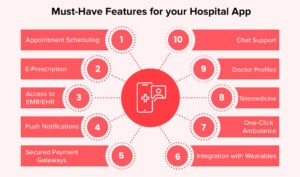
Key Emerging Healthcare App Features
As mobile technology advances, new features are being integrated into healthcare apps, each designed to solve specific healthcare challenges. Here are some of the most promising emerging features that are transforming the healthcare landscape:
1. AI-Powered Health Diagnostics
Artificial Intelligence (AI) and machine learning are making waves in healthcare, offering groundbreaking possibilities for diagnostics. AI algorithms are now capable of analyzing vast amounts of medical data—such as medical images, historical health data, and even lifestyle factors—to detect diseases and conditions earlier than ever before.
- Example: AI-powered apps can scan medical images such as X-rays and MRIs to detect abnormalities, such as cancer or fractures, with high accuracy. Additionally, AI can interpret genetic data and predict the likelihood of developing certain conditions, such as heart disease or diabetes, providing early intervention opportunities.
2. Remote Patient Monitoring (RPM)
Remote Patient Monitoring (RPM) is one of the most exciting developments in mobile healthcare. RPM uses connected devices such as wearables (smartwatches, fitness trackers) and sensors to track a patient’s vital signs in real time and transmit that data to healthcare providers. This technology is particularly valuable for patients managing chronic conditions like diabetes, hypertension, and asthma.
- Example: Apps that sync with continuous glucose monitors (CGM) allow users with diabetes to track their blood sugar levels 24/7, and the app can send alerts to both the patient and their healthcare provider if levels are dangerously high or low.
3. Blockchain for Data Security and Interoperability
With the increasing volume of sensitive patient data being shared across healthcare systems, blockchain has become a key technology for ensuring the security, privacy, and integrity of healthcare records. Blockchain allows for secure, immutable, and transparent storage of health data, reducing the risk of fraud and unauthorized access.
- Example: Blockchain-based apps can enable patients to have full control over their health data, granting access to authorized parties (doctors, hospitals) on a need-to-know basis. This decentralization ensures data privacy while improving access across different healthcare providers.
4. Augmented Reality (AR) for Health Education
Augmented Reality (AR) is gaining popularity in healthcare apps, especially for patient education. Using AR, healthcare apps can overlay digital information onto the physical world, allowing users to visualize complex medical procedures, treatment plans, or anatomy in 3D.
- Example: AR can help patients understand their medical conditions better by showing them a 3D model of a specific organ, like the heart, and explaining how certain conditions, such as coronary artery disease, can affect it. This feature enhances patient understanding, leading to better treatment compliance.
5. Telemedicine and Virtual Consultations
Telemedicine is one of the most widely adopted features in healthcare apps, especially with the onset of the COVID-19 pandemic. Telemedicine enables users to consult with healthcare professionals remotely through video calls, reducing the need for in-person visits and improving access to healthcare in remote areas.
- Example: Apps like Teladoc and Doctor on Demand offer virtual consultations with licensed doctors, enabling patients to receive care from the comfort of their homes. These consultations are secure, compliant with privacy regulations, and can cover a wide range of healthcare needs, from general medical advice to specialized consultations.
6. Personalized Health and Wellness Recommendations
Using big data and advanced algorithms, healthcare apps can now provide personalized health and wellness recommendations tailored to the user’s specific health needs, preferences, and goals. These insights are often driven by data collected from wearables, fitness trackers, and health records.
- Example: Apps like MyFitnessPal and Fitbit offer customized fitness plans based on the user’s health data, including sleep patterns, exercise habits, and food intake. These personalized insights help users make better lifestyle choices and achieve their health goals.
7. Medication Management and Adherence
For patients with chronic conditions, adherence to prescribed medication is critical. Healthcare apps are offering medication management features that remind patients to take their medications and track their adherence to treatment plans.
- Example: Apps like Medisafe and Pillboxie help patients manage their medication schedules by sending push notifications and reminders. These apps can also sync with healthcare providers’ systems to ensure proper medication management and avoid drug interactions.
8. AI-Powered Health Analytics
AI-driven health analytics offer a more precise way to understand health trends, predict potential health issues, and provide actionable insights. By analyzing vast amounts of health data from various sources—such as patient records, clinical trials, and genetic information—healthcare apps can generate insights that help providers make better clinical decisions.
- Example: Apps like Wellth use AI-powered analytics to help patients with chronic conditions track their health data in real-time and predict potential health risks, enabling early intervention before conditions worsen.
9. Health Gamification
Gamification is becoming increasingly popular in healthcare apps to motivate users to engage in healthy activities. By adding game-like elements such as rewards, points, and achievements, healthcare apps can incentivize users to stick to their wellness routines, such as exercise, nutrition, or medication adherence.
- Example: Apps like Sweatcoin and LifeSum use gamification to encourage users to walk more, eat healthier, and stay active by rewarding them with points, badges, or discounts.
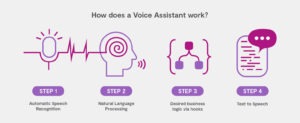
10. Voice-Activated Health Assistants
Voice recognition technology is revolutionizing mobile healthcare apps, allowing users to access health information and manage their health without needing to type or interact manually. By using voice commands, patients can receive health advice, schedule appointments, or request medication reminders.
- Example: Apps like HealthTap and Amazon’s Alexa Health can provide users with voice-activated consultations, reminders, and general healthcare information, making healthcare more accessible to those with limited mobility or visual impairments.
11. Symptom Checkers and AI-Driven Diagnostics
Symptom checkers powered by AI algorithms allow users to input their symptoms and receive potential diagnoses based on patterns and medical data. These tools are often used as a first step in healthcare to guide users to the next appropriate action.
- Example: Apps like Babylon Health use AI to analyze user inputs and recommend the next steps for care, such as whether to see a doctor, schedule an appointment, or self-manage a condition.
12. Real-Time Health Data Sharing and Collaboration
Real-time sharing of health data between patients and healthcare providers is critical for managing complex cases. Mobile healthcare apps allow patients to seamlessly share their medical records, test results, and vital signs with their doctors in real time.
- Example: Apps like MyChart enable patients to share their health data with multiple healthcare providers, improving collaboration and coordination of care, especially for those with chronic conditions requiring multiple specialists.
13. Mental Health and Stress Management Tools
Incorporating mental health features into healthcare apps is becoming increasingly important, as mental well-being is integral to overall health. Apps are now offering tools to help users manage stress, anxiety, and depression.
- Example: Apps like Headspace and Calm provide guided meditation, breathing exercises, and mindfulness techniques, helping users reduce stress and improve their mental health.
14. Health Data Integration from Multiple Sources
To provide a more complete picture of a user’s health, mobile healthcare apps are now integrating data from a variety of sources—wearables, lab tests, and medical records. This integration helps create a more accurate and holistic health profile for patients.
- Example: Apps like Apple Health and Google Fit aggregate health data from wearables, fitness trackers, and third-party apps, offering users a comprehensive view of their health in one place.
15. Fitness and Exercise Tracking
Tracking fitness and physical activity is a core feature in many health apps, providing users with data on steps, distance, calories burned, and other activity metrics. These features motivate users to stay active and improve their health.
- Example: Apps like Strava and Nike Training Club provide users with detailed insights into their workouts, track their progress, and allow them to set goals and challenges.
16. Nutritional Tracking and Meal Planning
Nutritional tracking helps users monitor their daily intake of calories, nutrients, and water, providing a clearer understanding of their diet and its impact on their health. Mobile healthcare apps can also recommend meal plans based on users’ health needs and preferences.
- Example: Apps like MyFitnessPal and Yazio allow users to log their meals and track nutrients, helping users make healthier food choices and manage their weight.
17. Personal Health Records (PHR)
A Personal Health Record (PHR) allows users to store their medical history, vaccinations, lab results, and medications in one place. This feature gives users control over their health data and allows them to share it with healthcare providers as needed.
- Example: Apps like HealthVault enable users to manage their personal health records, track vaccinations, and store important health documents for easy access during medical visits.
18. Chronic Disease Management
Mobile healthcare apps are essential in managing chronic conditions like diabetes, asthma, and hypertension. These apps help users track their symptoms, manage medications, and stay informed about their health.
- Example: Apps like Carrot Diabetes and AsthmaMD provide specific tools for users with chronic conditions, such as glucose tracking and asthma symptom monitoring, to help them stay on top of their health.
19. Emergency Services Access
Mobile healthcare apps can provide users with quick access to emergency services, ensuring that help is just a tap away during critical health situations. Some apps even include a one-touch emergency call button that can be connected directly to emergency services.
- Example: Apps like Red Cross First Aid and PulsePoint enable users to access first aid guides, contact emergency services, and even alert nearby trained volunteers in case of emergencies.
20. Health Coaching and Personalized Guidance
Health coaching features offer personalized advice and actionable steps to help users meet their health goals, whether they are trying to lose weight, quit smoking, or improve overall fitness. These features are often integrated with AI to provide continuous, customized recommendations.
- Example: Apps like Noom offer personalized coaching, helping users make healthier lifestyle choices based on their goals and progress.
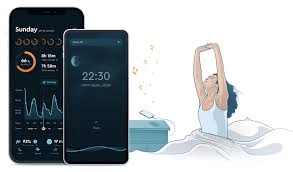
21. Sleep Tracking and Improvement Tools
Quality sleep is a key aspect of good health, and mobile healthcare apps now offer sleep tracking and improvement tools to help users improve their sleep hygiene and overall well-being.
- Example: Apps like Sleep Cycle and Relax Melodies monitor sleep patterns, offer sleep insights, and provide tools to help users fall asleep more easily.
22. Patient Education and Information Access
Providing reliable, up-to-date health information is vital for patient education. Mobile healthcare apps now include educational content, such as articles, videos, and tips, to help users make informed decisions about their health.
- Example: Apps like WebMD and Medscape offer users access to a vast library of medical articles, condition descriptions, and treatment options to educate themselves on various health topics.
23. Data Analytics for Predictive Healthcare
Using data analytics, healthcare apps can predict future health risks based on historical data, lifestyle factors, and trends. This predictive approach allows for earlier intervention and better management of chronic conditions.
- Example: Apps like Ada Health use AI-driven algorithms to predict potential health issues and suggest preventive measures, offering users valuable insights into their future health.
24. In-App Scheduling and Appointment Management
Mobile healthcare apps can simplify the scheduling of appointments with healthcare providers. This feature can allow users to book, reschedule, and cancel appointments without the need for phone calls or in-person visits.
- Example: Apps like Zocdoc allow users to find healthcare providers, schedule appointments, and even conduct virtual consultations.
25. Second Opinion Services
A second opinion feature allows users to seek additional medical advice from other professionals before making important health decisions. This can help ensure that users are receiving the best possible care.
- Example: Apps like 2nd.MD connect users with top doctors for second opinions, helping them make informed decisions about treatments and procedures.
26. Wearable Health Device Integration
Many mobile healthcare apps now integrate with wearable health devices to collect data on users’ physical activity, heart rate, sleep patterns, and more. This integration allows for continuous monitoring and more accurate health insights.
- Example: Apps like Garmin Connect and Fitbit sync with wearables to provide users with real-time health data and actionable insights based on their activity levels, heart rate, and more.
Healthcare App Features Across Nations: US, UK, UAE, and Beyond
Healthcare systems differ widely across countries, and mobile healthcare apps are shaped by these regional variations. Here’s a comparison of healthcare app features in different nations:
United States
The US is a leader in telemedicine and health tech innovations. US healthcare apps tend to focus on features like EHR (Electronic Health Record) integration, telehealth consultations, patient portals, and personalized health tracking.
- Key Features: Telemedicine, AI diagnostics, EHR integration, medication tracking
- Popular Apps: MyChart, Teladoc, Medisafe
- Regulatory Considerations: Apps must comply with HIPAA regulations for patient data security and privacy.
United Kingdom
In the UK, healthcare apps are closely integrated with the NHS (National Health Service), which has its own digital health ecosystem. Many UK healthcare apps are designed to provide easy access to NHS services and GP consultations, as well as health records.
- Key Features: NHS integration, appointment scheduling, prescription management
- Popular Apps: NHS App, Babylon Health
- Regulatory Considerations: GDPR compliance for data privacy and security is a key requirement.
United Arab Emirates
The UAE is a global hub for digital innovation, and healthcare apps here are embracing technologies like telemedicine, health insurance integration, and AI-powered diagnostics. Healthcare apps are also being used for wellness and preventative care, thanks to the UAE’s emphasis on proactive healthcare.
- Key Features: Telemedicine, health insurance integration, AI health insights
- Popular Apps: Healthigo, Okadoc
- Regulatory Considerations: HAAD guidelines and local data protection laws govern healthcare apps.
Real-World Case Studies of Popular Healthcare Apps
Let’s explore three successful healthcare apps that have capitalized on emerging technologies and user-centric design:
1. MyChart by Epic Systems
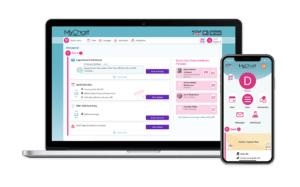
MyChart is one of the most widely used healthcare apps in the United States, allowing patients to access their medical records, communicate with doctors, and schedule appointments. It integrates with Epic’s EHR system, making it easy for patients to view lab results, request prescription refills, and track their health progress over time.
- Technologies Used: EHR integration, AI-powered health insights, secure messaging
- Impact: MyChart has over 200 million users, improving patient engagement and reducing administrative burdens for healthcare providers.
2. Babylon Health
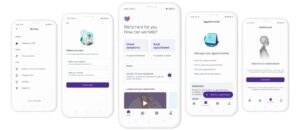
Babylon Health is a leading telemedicine app in the UK, offering both AI-driven health consultations and video consultations with doctors. The app uses AI to evaluate symptoms and offer medical advice, allowing users to quickly access care without waiting for an in-person appointment.
- Technologies Used: AI symptom checker, video consultations, health record integration
- Impact: Babylon Health has revolutionized access to healthcare, especially during the COVID-19 pandemic, providing consultations for millions of users.
3. HealthifyMe
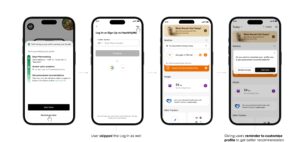
HealthifyMe is a fitness and wellness app popular in Asia and the Middle East. It uses AI-powered nutrition tracking, offers personalized fitness plans, and integrates with wearables. The app has seen success by offering real-time data and personalized recommendations to help users meet their health goals.
- Technologies Used: AI health insights, wearable integration, virtual coaching
- Impact: HealthifyMe has helped millions of users improve their fitness and health by providing actionable, personalized wellness recommendations.
Developing a Feature-Rich Healthcare App with Invoked
If you are looking to develop a healthcare app that incorporates cutting-edge features such as AI-driven health insights, remote patient monitoring, and telemedicine capabilities, Invoked is the perfect partner. With expertise in building highly scalable, secure, and feature-rich healthcare applications, Invoked can help you navigate the complex regulatory and technical landscape of the healthcare industry.
Here’s how Invoked can help you develop a healthcare app that delivers value to both healthcare providers and users:
1. Customizable Solutions
Invoked offers a range of customizable solutions tailored to meet the specific needs of your healthcare app. Whether you’re building an app for telemedicine, remote monitoring, or health management, Invoked ensures that the platform is flexible, allowing for future updates and integrations with other systems (e.g., EHR, EMR).
2. Security and Compliance
With healthcare apps handling sensitive patient data, security and compliance are top priorities. Invoked ensures your app adheres to the highest industry standards, including HIPAA, GDPR, and local health data protection laws, ensuring patient information is secure and private.
3. AI and Machine Learning Integration
To enhance the diagnostic capabilities of your healthcare app, Invoked can integrate AI and machine learning algorithms. This can include AI-powered diagnostic tools, personalized health recommendations, or predictive analytics for early disease detection.
4. Telemedicine and Virtual Consultations
Telemedicine is a must-have feature in today’s healthcare apps. Invoked can integrate a secure, HIPAA-compliant video calling feature into your app, allowing patients and healthcare providers to consult remotely. This is especially crucial for patients in rural or underserved areas.
5. Real-Time Health Data Syncing
Invoked can integrate wearable devices (e.g., smartwatches, fitness trackers) into your healthcare app, enabling real-time syncing of health data such as heart rate, blood sugar, and physical activity. This feature is crucial for apps that focus on chronic disease management and preventive healthcare.
6. User-Centric Design
Creating an intuitive, user-friendly interface is essential for patient engagement. Invoked places a strong emphasis on UX/UI design, ensuring that users of all technical backgrounds can easily navigate and use the app. A seamless user experience will drive patient engagement and ensure the success of your app.
7. Data Analytics and Reporting
Invoked also offers advanced data analytics capabilities. Healthcare providers can access actionable insights derived from patient data, enabling them to make more informed clinical decisions. Patients can track their health trends, set goals, and receive recommendations based on their individual health data.
8. Integration with Health Systems
Invoked’s experience in integrating healthcare apps with existing health management systems (EHR/EMR) ensures seamless data exchange between healthcare providers and systems. This integration reduces administrative work, minimizes errors, and improves the overall efficiency of care delivery.
Frequently Asked Questions (FAQ)
Here are some common questions when developing a healthcare app, along with detailed answers:
Q1: What features should I include in my healthcare app?
A1: Essential features include remote patient monitoring, telemedicine capabilities, AI-powered diagnostics, medication management, and secure health record access. Personalization and data security should also be key priorities.
Q2: How can I ensure my healthcare app complies with regulations?
A2: Compliance with HIPAA, GDPR, and local health data laws is essential. Partnering with experts like Invoked can help navigate these requirements and ensure that your app meets all regulatory standards.
Q3: What technology stack should I use for developing a healthcare app?
A3: A common tech stack includes React Native for cross-platform mobile apps, Node.js or Python for the backend, and AWS or Azure for cloud storage and services. For AI and data analytics, consider TensorFlow or Azure ML.
Q4: How do I ensure data security in my healthcare app?
A4: Implement end-to-end encryption, secure authentication protocols (like OAuth 2.0), and ensure compliance with relevant regulations such as HIPAA and GDPR. Regular security audits and penetration testing are also recommended.
Q5: How do I integrate telemedicine features into my app?
A5: You can integrate telemedicine by adding secure, HIPAA-compliant video calling APIs. Platforms like Twilio, Zoom for Healthcare, or Vonage API offer ready-to-use solutions for telemedicine integration.
Q6: Can I integrate wearable devices with my app?
A6: Yes, wearable devices like Fitbit, Apple Watch, and Garmin can be integrated using their respective SDKs and APIs. This enables real-time health data tracking, which can be synced to your app for analysis and feedback.
Q7: How can I ensure patient engagement with my healthcare app?
A7: Features like personalized health recommendations, gamification elements (e.g., fitness challenges), push notifications, and easy access to healthcare professionals can significantly enhance engagement.
Q8: Can healthcare apps offer personalized health recommendations?
A8: Yes, AI and machine learning algorithms can analyze health data to offer personalized wellness advice, exercise routines, and diet plans based on individual health profiles.
Q9: How can I ensure seamless integration with healthcare provider systems?
A9: Work with FHIR (Fast Healthcare Interoperability Resources) standards to ensure your app can exchange data with EHR/EMR systems. APIs like Redox or Human API can facilitate these integrations.
Q10: What is the role of AI in healthcare apps?
A10: AI helps improve diagnostics, predict patient outcomes, analyze medical data, and deliver personalized health insights. It enhances decision-making for both healthcare providers and patients.
Q11: How can I track medication adherence in my healthcare app?
A11: Use push notifications to remind users to take their medication, and allow them to log their intake. Integration with smart pill dispensers can also track adherence automatically.
Q12: How can I monetize my healthcare app?
A12: Healthcare apps can be monetized through subscriptions, in-app purchases, advertisements, and partnerships with healthcare providers. You can also offer premium features for personalized care plans or access to exclusive consultations.
Q13: How can I develop a telemedicine app for my practice?
A13: Start by integrating video calling APIs, ensuring compliance with HIPAA and other regulations. Your app should allow patients to book appointments, access medical records, and have secure consultations with healthcare providers.
Q14: What are the key challenges in developing a healthcare app?
A14: The main challenges include ensuring data security and compliance, integrating with existing healthcare systems, providing accurate health insights, and maintaining user engagement.
Q15: How long does it take to develop a healthcare app?
A15: The timeline for developing a healthcare app depends on its complexity and features, but it typically ranges from 6 months to over a year. This includes planning, design, development, and testing.
Conclusion
As the healthcare industry continues to embrace digital transformation, the demand for feature-rich healthcare apps is increasing. By integrating emerging technologies like AI, telemedicine, and remote monitoring, these apps are improving the efficiency and accessibility of healthcare services across the globe.
Whether you are looking to develop a healthcare app that helps with remote consultations, chronic disease management, or health tracking, Invoked offers the expertise and tools to bring your vision to life. With a focus on user-centric design, security, and regulatory compliance, Invoked can help you create a healthcare app that not only meets industry standards but also provides a meaningful impact for users and healthcare providers alike.





 (+44) 79467 27901
 sachin@invoked.uk
 Invoked, 3 Garston Close, Reading, RG30 3JR, England