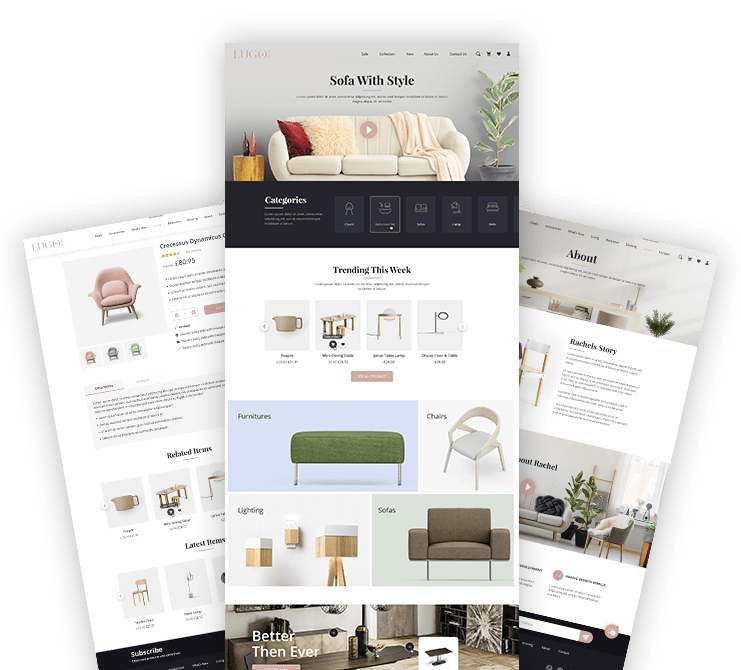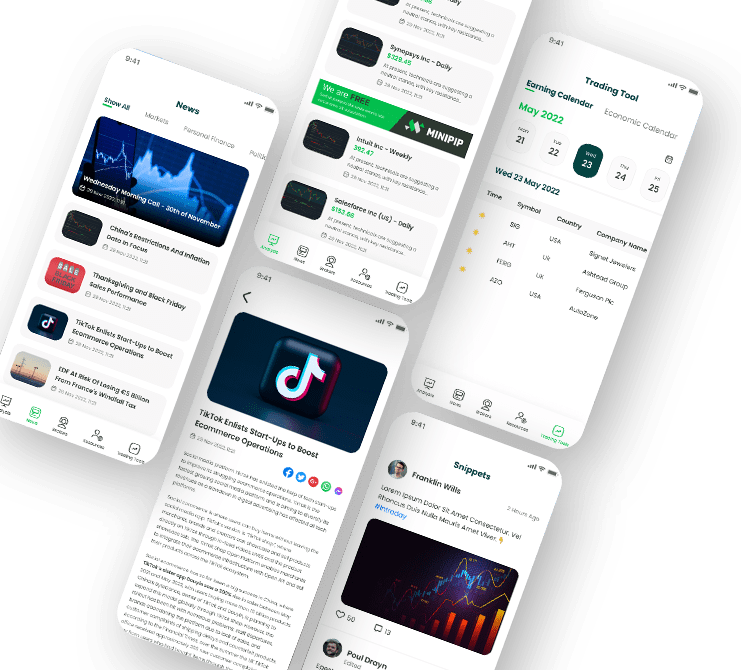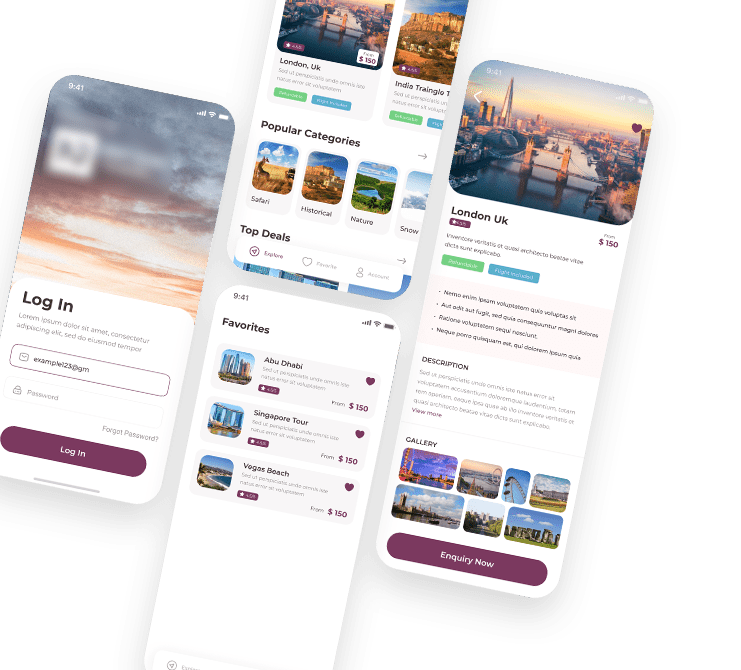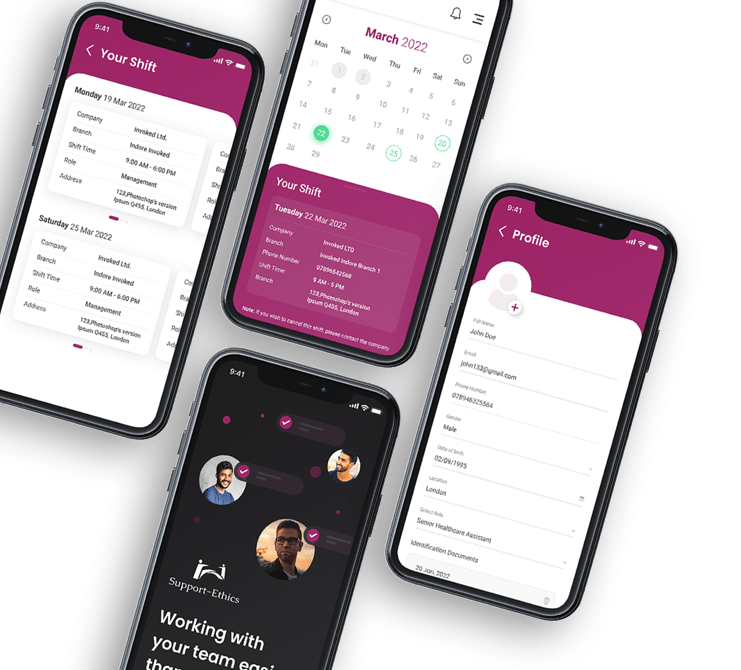
In recent years, the world of ecommerce has evolved rapidly, driven by changing consumer behaviors, advancements in technology, and the need for businesses to stay competitive. As a result, ecommerce website development in the UK and US has seen significant shifts, with a growing emphasis on creating user-friendly, mobile-optimized, and personalized online shopping experiences. In this blog, we will explore the key trends shaping ecommerce website development in the UK and US and how businesses can leverage these trends to enhance their online presence.
1. Personalized Shopping Experiences
One of the most prominent trends in ecommerce website development in the UK and US is the move towards personalized shopping experiences. Consumers are increasingly expecting websites to offer tailored product recommendations, custom content, and shopping experiences based on their preferences, browsing history, and purchase patterns. This level of personalization helps to create a more engaging and relevant experience, which can ultimately lead to higher conversion rates and customer loyalty.
Ecommerce websites in the UK and US are integrating artificial intelligence (AI) and machine learning technologies to analyze customer data and deliver personalized recommendations in real-time. This includes suggesting products, offering special promotions, and delivering personalized emails and notifications. With the rise of AI-powered tools, businesses can create dynamic and individualized experiences that cater to the specific needs of each customer.
2. Mobile Optimization
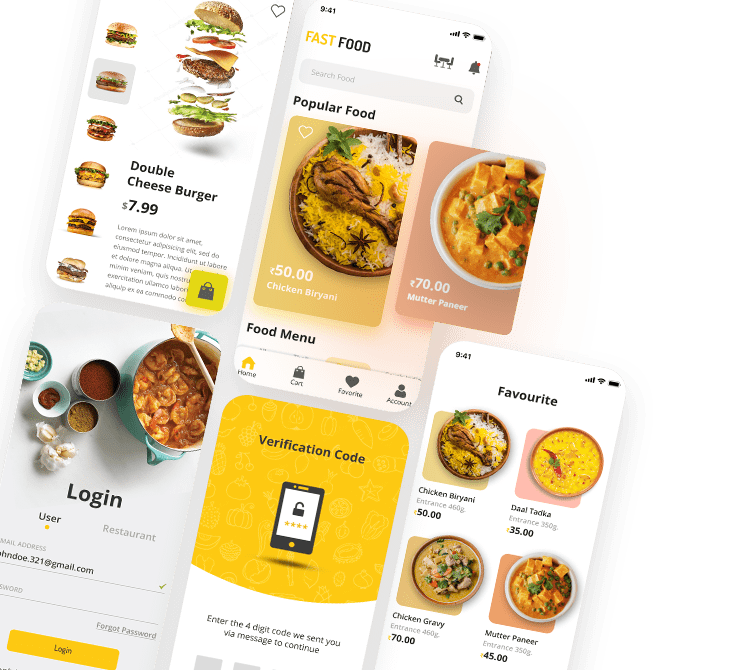
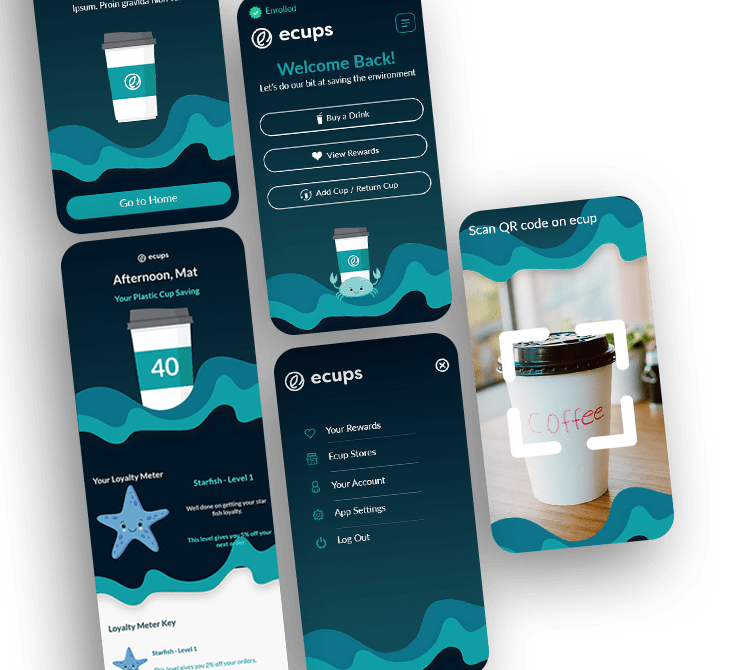
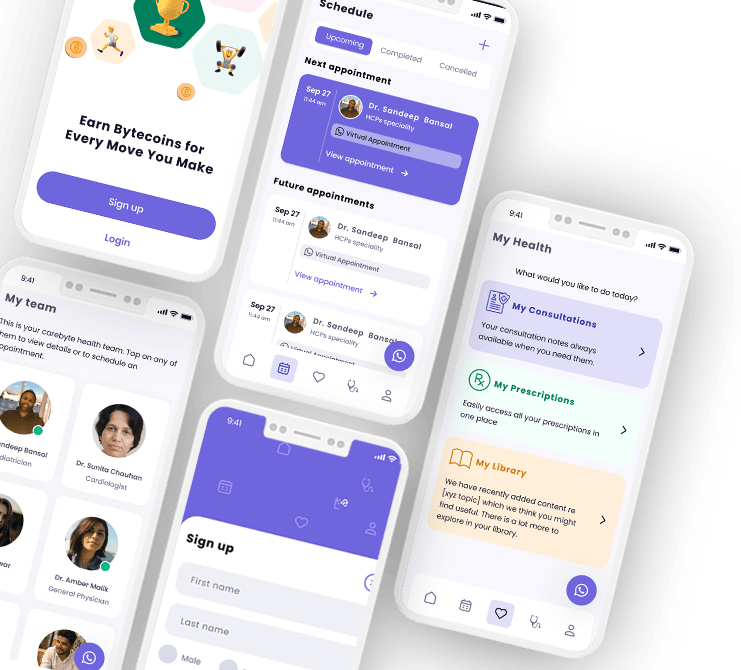
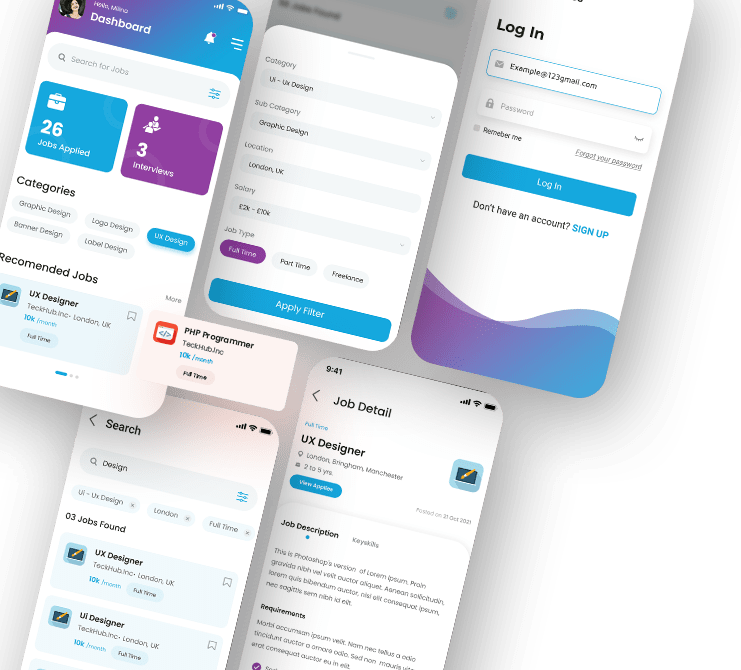
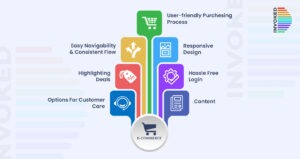
Another critical trend in ecommerce website development, particularly in the UK and US, is mobile optimization. With the growing use of smartphones and tablets for online shopping, businesses need to ensure that their ecommerce websites are fully optimized for mobile devices. A responsive design that adapts to different screen sizes is no longer a luxury but a necessity. Consumers expect a seamless and intuitive shopping experience, regardless of the device they are using.
In both the UK and US, mobile-first ecommerce development is becoming the standard. Ecommerce websites are increasingly designed with mobile users in mind, ensuring that product pages load quickly, images are optimized, and navigation is easy on smaller screens. Additionally, features like one-click checkout, mobile wallets, and voice search are becoming more common, enhancing the mobile shopping experience.
3. Enhanced User Experience (UX) Design
In the competitive ecommerce landscape of the UK and US, providing a smooth and intuitive user experience is paramount. Ecommerce website development teams are focusing on improving UX design by simplifying navigation, reducing loading times, and enhancing the overall visual appeal of websites. Clear and concise product descriptions, high-quality images, and easy-to-use filtering options help consumers find what they are looking for quickly and efficiently.
Moreover, the rise of interactive features, such as 360-degree product views, augmented reality (AR), and live chat support, is transforming the way customers interact with ecommerce websites. These features provide consumers with more information and assist them in making informed purchasing decisions.
4. Integration of Ecommerce and Social Media
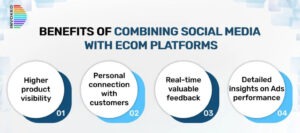
Social commerce is on the rise, and ecommerce websites in both the UK and US are increasingly integrating their platforms with social media. Social media platforms like Instagram, Facebook, and Pinterest are offering more features for businesses to sell products directly on these platforms. Ecommerce websites are now designed to allow seamless transitions between social media pages and the ecommerce site, offering a more integrated shopping experience.
Businesses in the UK and US are capitalizing on this trend by incorporating social media feeds, user-generated content, and influencer marketing strategies into their ecommerce websites. By creating an online community and engaging with customers through social channels, businesses can drive more traffic to their websites and increase sales.
5. Sustainability and Ethical Ecommerce
Sustainability is a growing concern for consumers in both the UK and US. As a result, ecommerce websites are increasingly emphasizing their commitment to sustainable practices and ethical business models. From eco-friendly packaging to carbon-neutral shipping, many ecommerce brands are highlighting their environmental efforts on their websites to appeal to eco-conscious consumers.
Ecommerce website development in the UK and US is evolving to reflect these changes, with businesses showcasing their sustainability credentials through dedicated sections on their websites and adopting green technologies. This trend aligns with the growing consumer demand for transparency and corporate social responsibility.
Conclusion
Ecommerce website development in the UK and US is undergoing significant transformation, driven by trends like personalization, mobile optimization, enhanced UX design, and sustainability. As businesses look to stay competitive in an ever-changing digital landscape, leveraging these trends is essential for creating an engaging and user-friendly online shopping experience. Invoked Digital, with its expertise in ecommerce website development, can help businesses navigate these trends and build ecommerce platforms that resonate with consumers in both the UK and US markets. By embracing these trends, businesses can ensure they remain at the forefront of ecommerce innovation.
If you would need further help, feel free to book our 30 mins, FREE no obligation, consulting session with our experts.





 (+44) 79467 27901
 sachin@invoked.uk
 Invoked, 3 Garston Close, Reading, RG30 3JR, England